Effective Approaches for Successful Canine Training: A Comprehensive Overview
Reliable canine training calls for a nuanced understanding of canine habits. It rests on the principles of favorable reinforcement and uniformity. Fitness instructors need to identify the importance of vital commands and socializing. Attending to usual behavioral issues can transform a pet's disposition. As the bond in between proprietor and pet dog enhances, the method they interact evolves. The journey of effective training incorporates different techniques that may stun also experienced pet proprietors. What are the essential components that can make a considerable difference?
Comprehending Pooch Habits
Recognizing canine habits is crucial for effective pet dog training, as it enables instructors to analyze a dog's actions and responses in numerous circumstances. Pet dogs communicate primarily through body language, vocalizations, and facial expressions. Acknowledging indications of stress and anxiety, worry, or aggressiveness can aid trainers change their techniques to assure a favorable training experience. A wagging tail does not always suggest happiness; the context and other body signs must be thought about.
Additionally, understanding a canine's breed-specific characteristics can use understandings into their actions patterns and instincts. Socialization plays an essential duty fit a dog's actions to new individuals and environments. Observing a dog's play design can also expose their personality and convenience degrees. By very carefully examining these behaviors, fitness instructors can produce customized approaches that promote learning and enhance the bond between pet dog and proprietor, inevitably leading to more successful training outcomes.
The Significance of Positive Reinforcement
Positive reinforcement is a crucial method in pet training that boosts the finding out procedure by fulfilling wanted actions. This approach urges pets to duplicate activities that generate favorable end results, such as deals with, appreciation, or play (Dog Training Near Me). By linking good behavior with benefits, dogs become more determined and involved during training sessions
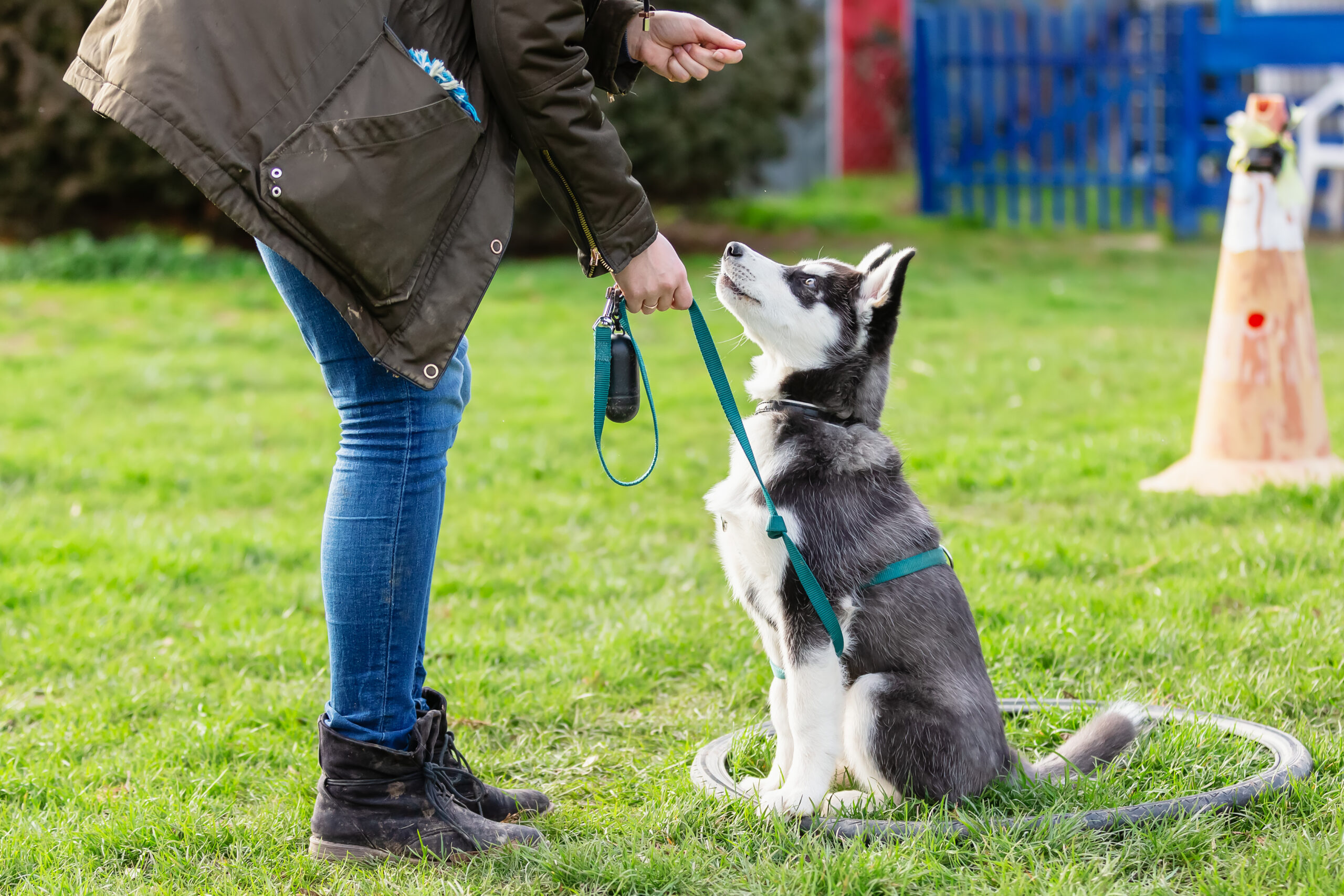
Incorporating positive support right into training regimens can lead to quicker discovering and far better retention of commands. It advertises a happy environment that improves both the pet dog's experience and the fitness instructor's contentment, making it a basic element of reliable canine training.
Vital Commands Every Pet Dog Should Know
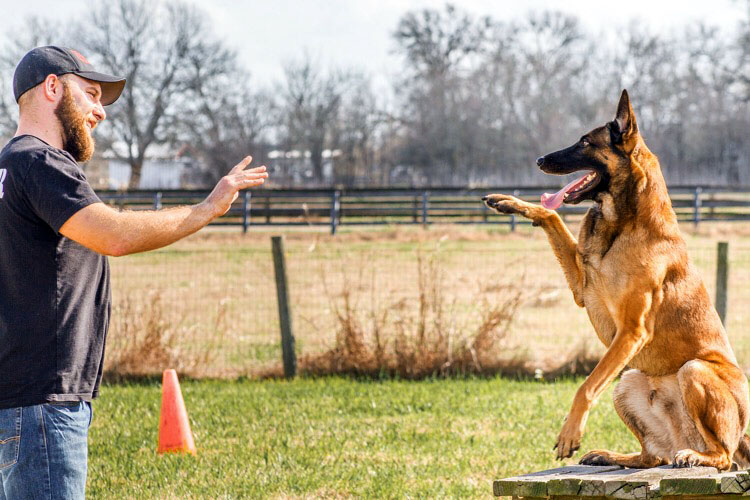
Developing a Regular Training Set Up
Establishing a constant training timetable is essential for effective dog training, as it helps strengthen understanding and creates a sense of regular for the canine. A structured strategy enables both the pet dog and the fitness instructor to prepare for training sessions, which can boost emphasis and involvement. Preferably, training sessions need to be short, long-term in between 5 to 15 minutes, to maintain the dog's focus and enthusiasm.
Incorporating training into day-to-day activities, such as mealtime or walks, can likewise promote uniformity. This combination aids canines associate training with positive experiences. It is essential for fitness instructors to continue to be adaptable; unanticipated occasions may demand adjustments to the schedule.
In addition, repeating is essential. Routine technique of actions and commands strengthens learning and builds confidence. By adhering to a constant routine, trainers can guarantee that their pets establish great routines and respond reliably to commands, laying the foundation for efficient training outcomes.
Socialization: Trick to a Well-Adjusted Pet
Socialization is essential for a pet's growth, affecting their behavior and interactions with individuals and various other pets. Early direct exposure to various settings, seems, and experiences can greatly improve a canine's adaptability and self-confidence. Utilizing reliable socialization techniques can assist assure a well-adjusted canine buddy.
Significance of Early Socializing
Techniques for Effective Socialization
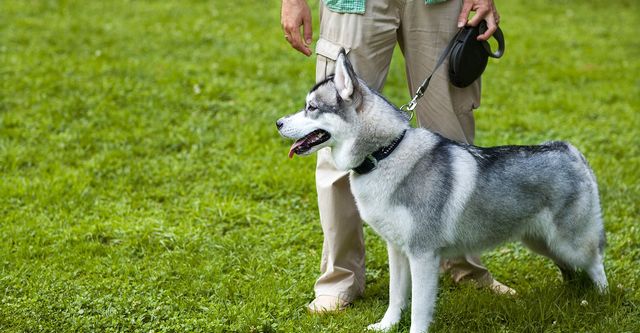
While many canine proprietors identify the significance of socialization, understanding effective techniques to facilitate this procedure is vital for cultivating a well-adjusted family pet. Progressive exposure to varied atmospheres, people, and various other animals can significantly enhance a pet's convenience level in various situations. Positive reinforcement plays an important function; fulfilling preferred behaviors encourages pets read what he said to come close to new experiences with self-confidence. Structured playdates with courteous dogs aid mitigate and establish social skills worry reactions. Signing up in obedience courses can additionally give regulated atmospheres for socialization. Keeping a calm disposition as a proprietor enhances the pet dog's feeling of protection, permitting for more successful communications. These techniques jointly add to a well balanced and adaptable canine buddy.
Dealing With Typical Behavioral Issues
Dealing with common behavior concerns is necessary for keeping a harmonious partnership in between dogs and their proprietors. Secret difficulties such as aggression, excessive barking, and jumping behavior need targeted strategies to handle efficiently. Comprehending the source of these actions can cause successful treatments and a more balanced canine friend.
Addressing Hostility Issues
Aggression in canines can show up in various forms, posturing obstacles for fitness instructors and owners alike. Dealing with these concerns necessitates a complete understanding of the underlying reasons, which might include fear, territoriality, or resource securing. Determining triggers is essential; owners must observe their pet's body movement and actions to pinpoint details scenarios that provoke aggression. Favorable reinforcement methods can properly modify hostile habits, fulfilling tranquil responses to recognized triggers. Consistency is key, and proprietors need to stay individual throughout the training procedure. Sometimes, specialist guidance from a certified pet dog trainer or behaviorist might be required, especially for extreme aggression. Inevitably, the goal is to create a secure atmosphere for both the dog and those around it.
Managing Excessive Barking
Excessive barking can be a substantial annoyance for dog owners and next-door neighbors alike, usually signaling underlying issues that need resolving. Determining the triggers behind the barking is essential; these might include monotony, stress and anxiety, or a visit their website reaction to exterior stimulations. Proprietors ought to observe their canine's habits and environment to pinpoint the cause. Dog Training Near Me. Implementing consistent training techniques, such as positive support, can properly reduce barking. Educating commands like "quiet" or rerouting the pet's focus right now of barking can be beneficial. In addition, offering ample physical and mental excitement via workouts and interactive toys can ease boredom-related barking. In many cases, consulting a professional trainer or behaviorist might be needed to create customized techniques that deal with persistent barking problems
Minimizing Jumping Behavior
Many pet dogs display jumping actions, typically as a way of revealing enjoyment or looking for attention from their visitors and owners. This behavior can be bothersome, especially when it causes unintentional injuries or pain for guests. To reduce jumping, owners should initially continue to be tranquil and prevent awarding the habits with attention, as this can reinforce it. Instead, they can educate a different actions, such as sitting, by rewarding the pet for remaining calmness when someone strategies. Uniformity is essential; all member of the family have to implement the very same rules. Additionally, training sessions must include interruptions to assist the dog discover to manage their impulses. In time, with patience and perseverance, leaping can be considerably lowered, resulting in an extra pleasurable environment.
Building a Solid Bond With Training
Training a pet dog frequently focuses on commands and actions, it likewise serves as an important opportunity to strengthen the bond between the pet dog and its proprietor. Participating in training sessions fosters interaction, common understanding, and trust. When owners spend time in teaching their dogs, they demonstrate commitment, which assists the canine really feel protected and valued. Positive support techniques, such as deals with and praise, not just motivate wanted behaviors however likewise reinforce the emotional connection in between the dog and proprietor.
Consistency in training builds a sense of dependability, allowing canines to understand their role within the household. Each successful command increases here are the findings the canine's confidence, bring about a deeper partnership. Regular training sessions can come to be enjoyable bonding experiences, loaded with playfulness and communication - Dog Training Near Me. Eventually, the process of training transcends mere obedience, developing a collaboration that enriches the lives of both the dog and its owner
Frequently Asked Concerns
What Age Is Finest to Start Training a Pup?
The most effective age to start training a young puppy is generally in between 8 to 12 weeks. At this phase, puppies are most responsive to finding out, making it an excellent time for foundational training and socializing.
For how long Should Each Educating Session Last?
The ideal duration for each and every dog training session generally varies from 5 to 15 mins, depending upon the pet's age and interest span. Short, concentrated sessions improve discovering and retention, making training extra efficient and delightful.
Can Older Pets Still Be Trained Effectively?
Older pets can without a doubt be educated efficiently. With perseverance and consistent methods, they can discover new commands and behaviors. Their experience commonly makes them much more receptive to training, improving the bond in between pet and owner.
What Equipment Do I Required for Training?
For effective canine training, necessary tools includes a durable chain, a comfy harness, high-value deals with, training clickers, and a variety of playthings. These devices help with communication and enhance positive actions during training sessions.
Just how Do I Track My Pet's Training Progress?
To track a dog's training progress, one can maintain a journal, record landmarks, and note behavior modifications. Normal evaluations, including timed commands and obedience examinations, help gauge improvement and determine areas needing more focus.
Comprehending canine habits is vital for reliable canine training, as it permits instructors to translate a pet dog's actions and reactions in numerous circumstances. Developing a constant training schedule is important for reliable pet dog training, as it helps enhance discovering and develops a feeling of routine for the canine. Training a pet dog commonly focuses on behaviors and commands, it also offers as a necessary opportunity to strengthen the bond between the canine and its proprietor. When proprietors spend time in teaching their pet dogs, they show dedication, which helps the dog really feel safe and secure and valued. The suitable duration for each dog training session commonly ranges from 5 to 15 minutes, depending on the canine's age and interest span.